Islandwide · HDB / Condo / Landed No hacking · Low dust By appointment · After-service
+65 9249 9019
Singapore · Tile repair

Hollow, lifted or loose tiles
fast re-bonding, no hacking

Home Repair Service Centre specialises in hollow, lifted, curling, popped and loose floor and wall tiles in Singapore homes. We repair the tile bed with a structural adhesive — without hacking out the whole floor, so there is no major renovation and far less dust and noise. Our technician inspects and tests the tiles on site, re-bonds them to the screed, and leaves the surface flat, firm and safe to walk on.

  • On-site inspection
  • No major renovation
  • After-service follow-up
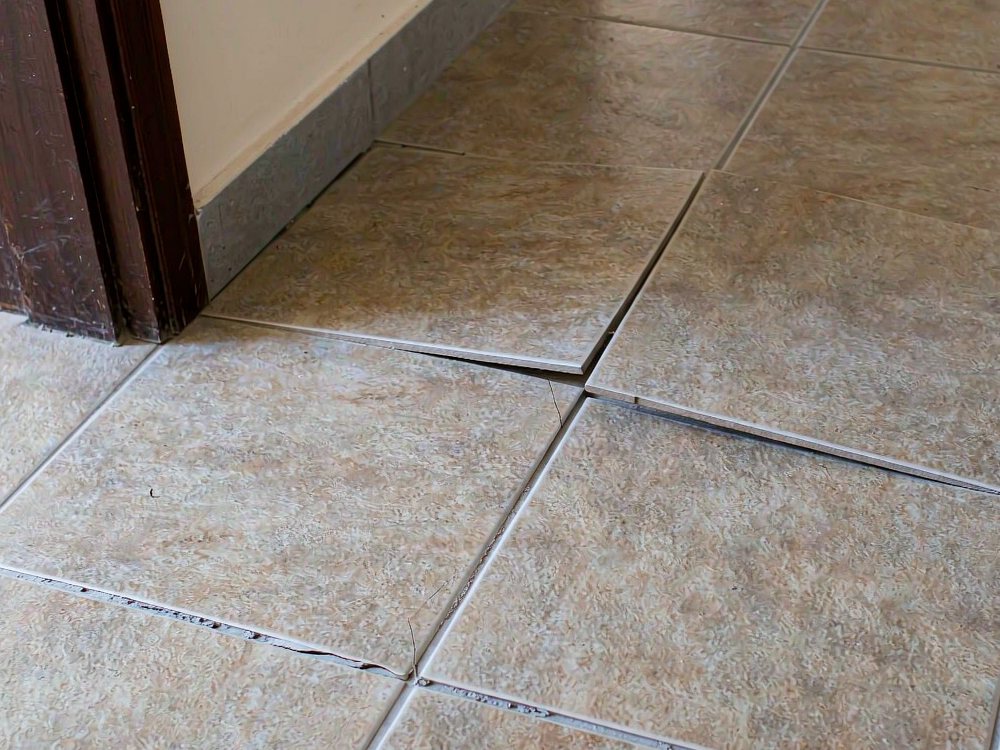
Before · tented tiles Living room floor tiles lifting at the edges, with a visible step and shadow gap Lifted edge
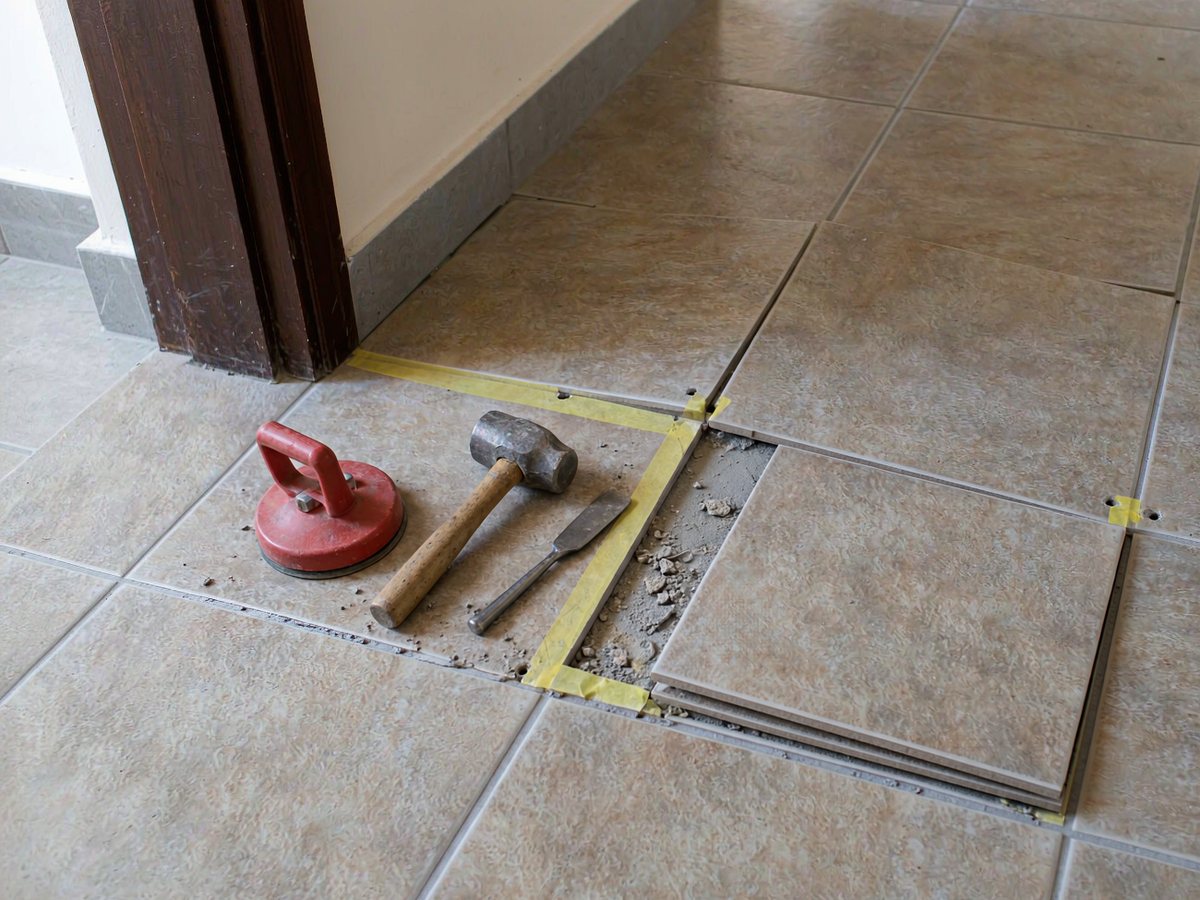
During Tiles lifted out to expose the screed, with injection ports marked along the grout lines
IslandwideHDB flats, condominiums, landed homes
No hacking outSound tiles stay in place and are re-bonded
Low dust, low noiseNo renovation, less disruption at home
After-serviceWork recorded, follow-up after completion
Tile health check

Does your floor have any of these signs?

Hollow tiles start quietly — a dull sound when you knock, nothing visible yet. But hollow areas spread with temperature changes, moisture and daily foot traffic. Once tiles lift and crack, the job gets bigger and more expensive.

Hollow sound when tapped

A coin or knuckle tapped on the tile gives a drummy, hollow note — the tile has separated from the bed.

Lifted edges, uneven lips

Your foot catches on a tile edge; two neighbouring tiles are no longer level.

Tiles feel loose underfoot

The tile gives slightly when stepped on, sometimes with a faint click — the bond below has failed.

Widening or crumbling grout

Grout lines open up or crumble away — usually a sign the tile bed is moving underneath.

Damp skirting, water at tile edges

Dark patches near the skirting, or damp along the tile edges in bathrooms and kitchens.

Tiles tenting in the middle

Several tiles rise in the middle of the room — heat expansion on top of a hollow, debonded bed.

Not sure which one it is? Take a few photos and a short video on your phone — record the tapping sound too if you can — and send them on WhatsApp. We will tell you whether it reads as hollow, lifted or seepage-related before arranging a visit.

Services

Four common tile problems, handled at the source

Different symptoms need different treatment. On site we tap-test and mark out the hollow areas first, then decide where the ports go, which adhesive is right, and whether waterproofing is needed as well.

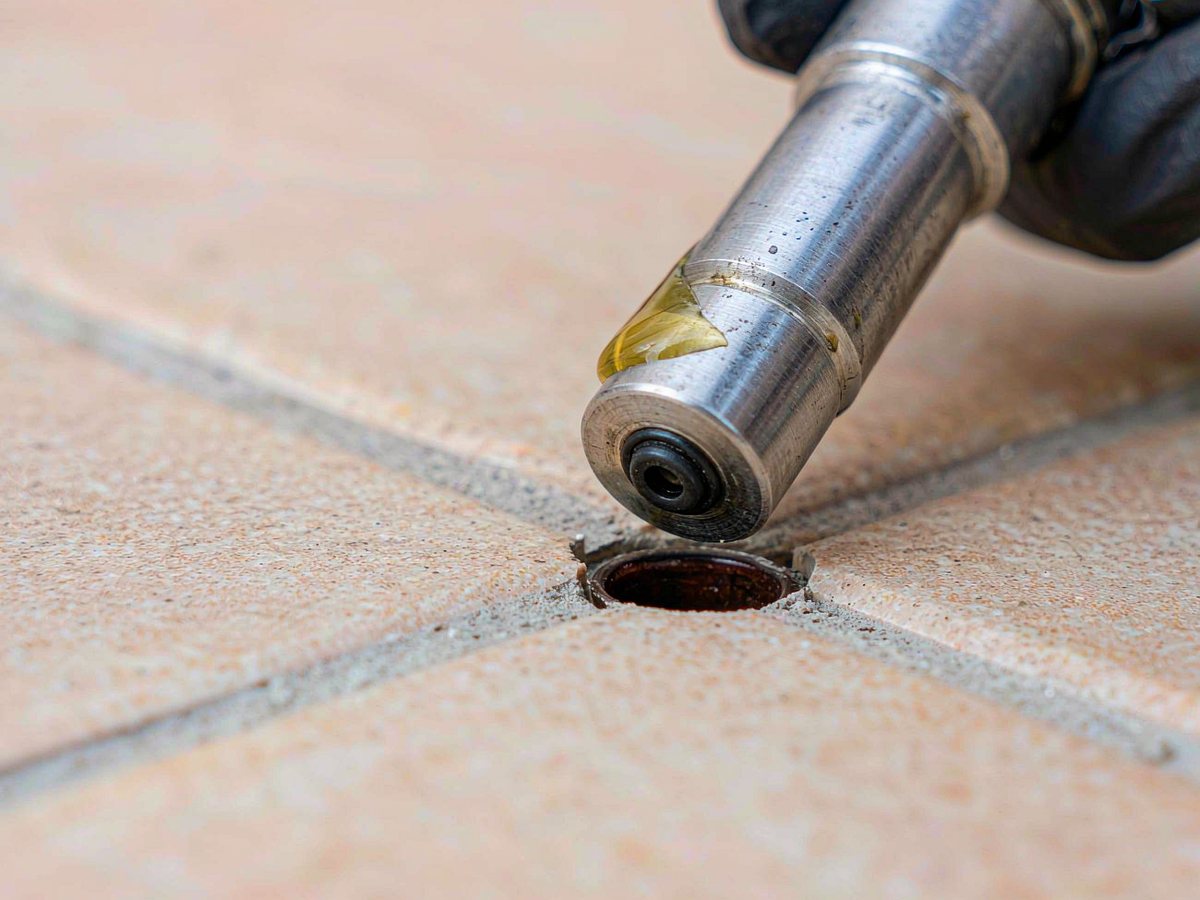
Repair in progress Structural adhesive being introduced through a port drilled beside the grout line
01 / Hollow tile

Hollow floor tile repair

When a tile sounds hollow, the bed underneath has let go. We re-bond it: the void under the tile is filled with structural adhesive so the tile is firmly fixed again, before it tents or cracks.

  • Tap-test to map exactly which tiles are hollow
  • Small ports drilled at the grout line, adhesive introduced under pressure
  • Adhesive fills the void and bonds the tile back to the screed
  • Ports filled and the floor cleaned before handover
Typical in living rooms, bedrooms and kitchens
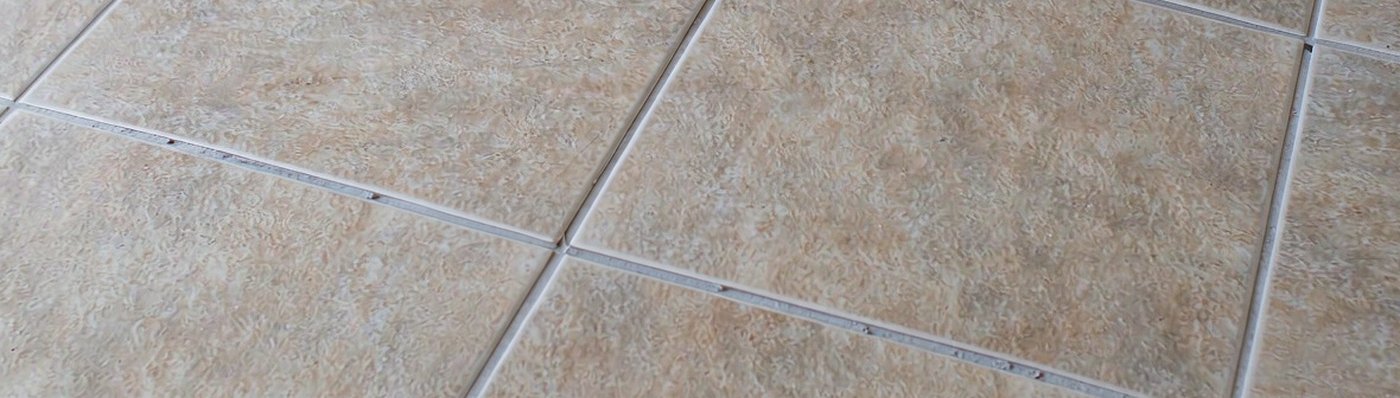
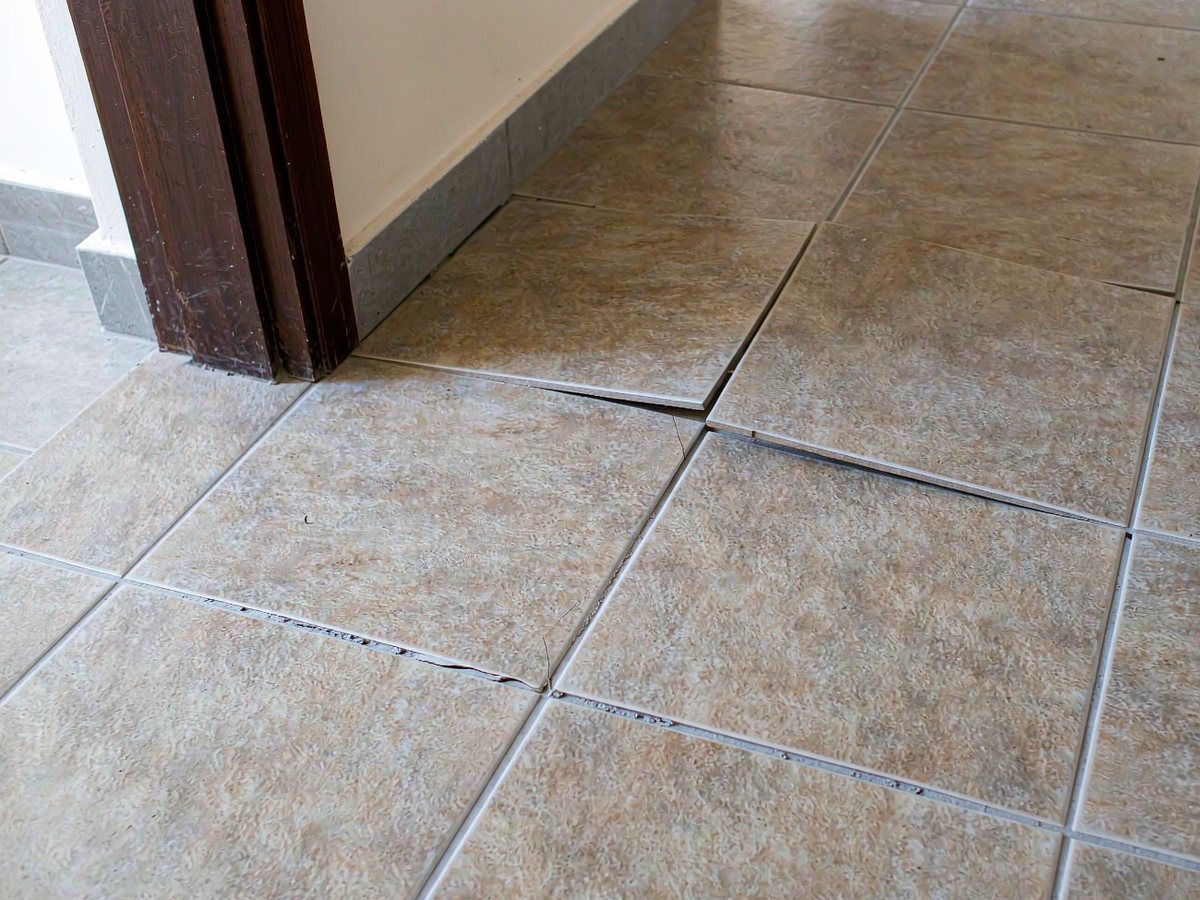
Before repair Floor tiles tenting and curling at the edges after heat expansion
02 / Lifted & curled

Lifted and popped tile repair

Tiles that have risen or curled are re-seated and re-bonded — usually without replacing the tiles — so the floor is level again and no longer a trip or cut hazard.

  • Assess whether it is local or the whole run is lifting
  • Badly debonded tiles lifted out and the old bed cleaned
  • Re-laid, then re-bonded with adhesive to control levels
  • Weighted or propped while the adhesive cures
Common in corridors, living areas and sun-facing rooms
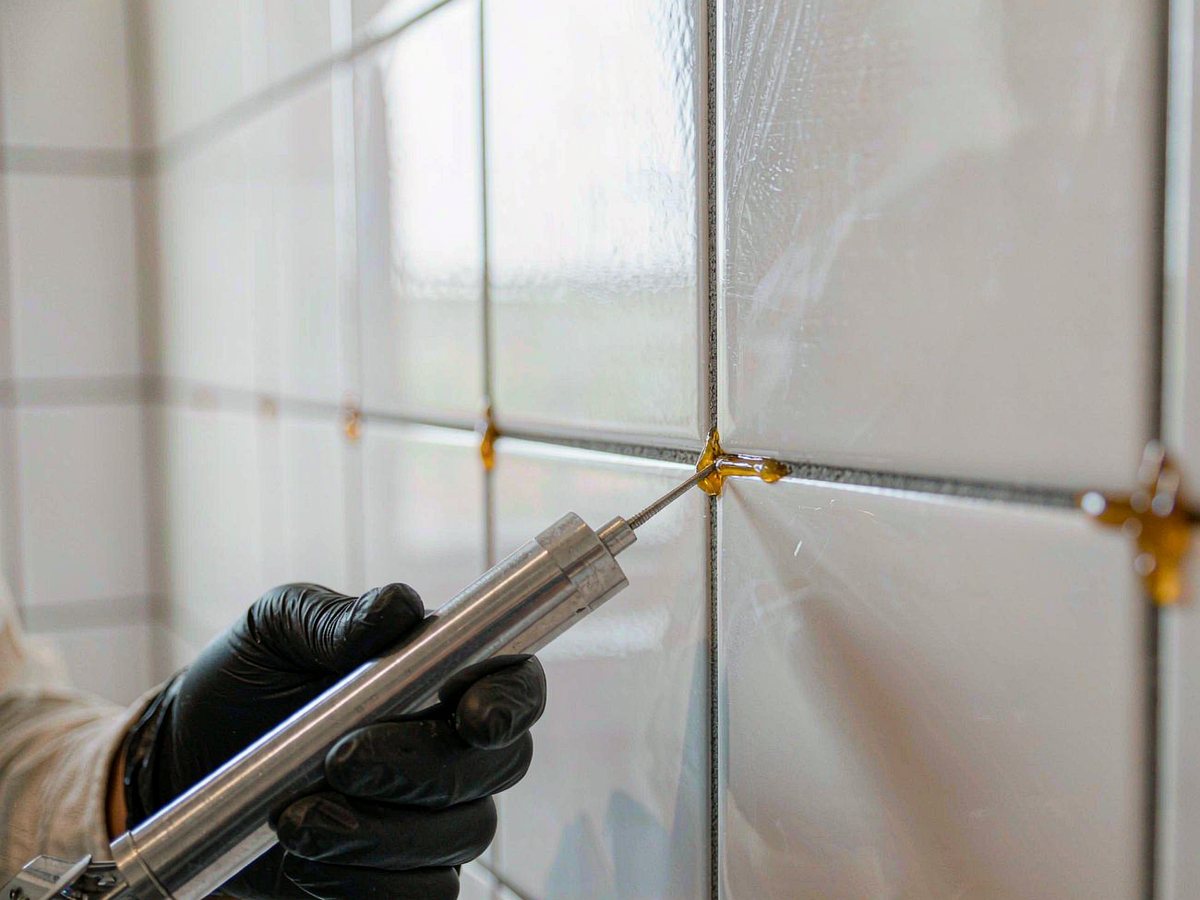
Wall tiles Adhesive being introduced into a wall tile joint in a bathroom
03 / Wall tile

Loose wall tile repair

Hollow or loose wall tiles in bathrooms and kitchens are re-bonded so they cannot drop — the risk is not only the tile, but what it hits.

  • Check each tile for hollowness and movement
  • Adhesive introduced through the joints, under pressure
  • Support or propping where the tile is loose
  • Joints and surface cleaned up afterwards
Suitable for bathrooms, kitchens and service yards
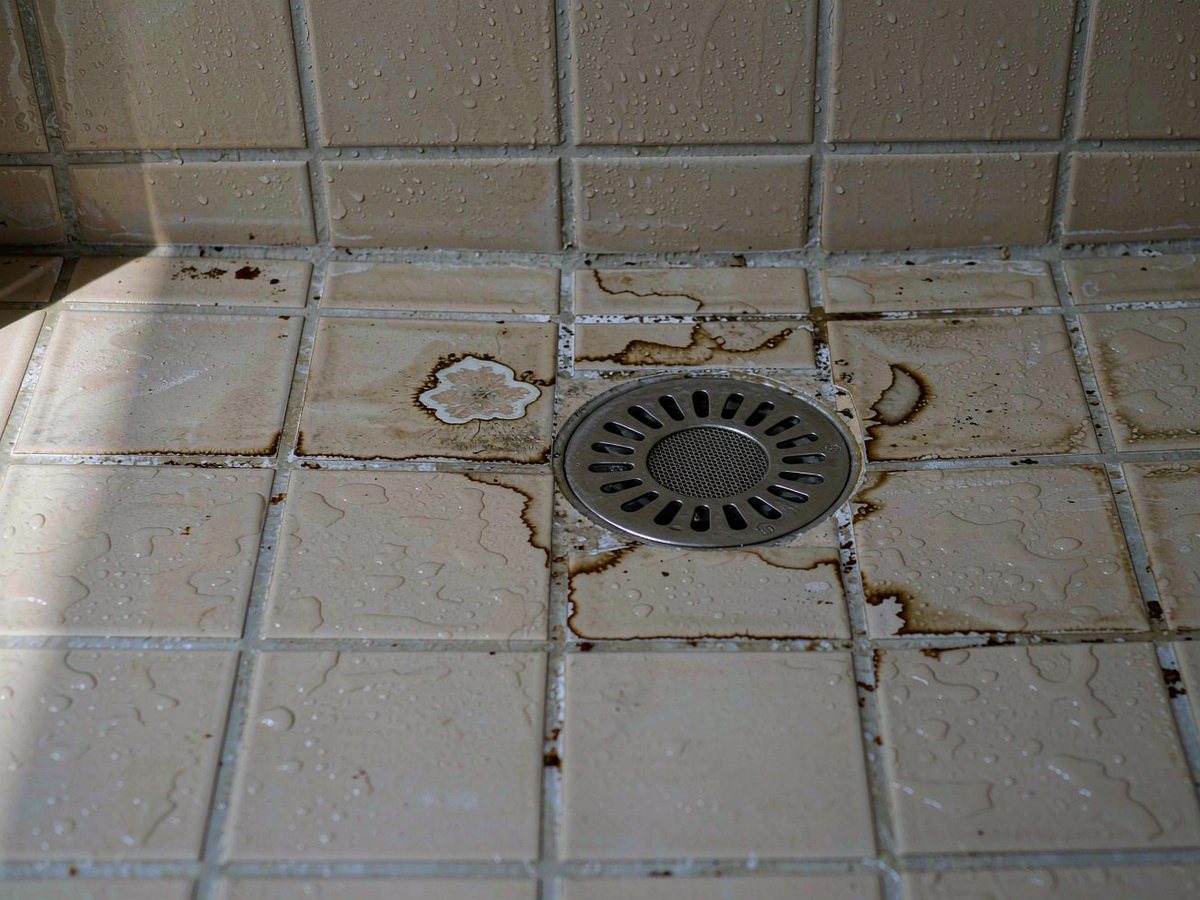
Seepage Damp staining and efflorescence around a bathroom floor trap
04 / Seepage

Seepage-related tile repair

Where hollow tiles come with dampness or seepage, we deal with both: the source under the tiles is treated and sealed at the same time as the re-bonding.

  • Trace the source: joints, skirting, around the floor trap
  • Clear trapped water and loose material, dry before work
  • Re-bond, then apply a waterproof seal
  • Follow up after a period to confirm it has settled
Bathrooms, kitchens, yards and ground-floor damp
How it works

From enquiry to handover, five clear steps

Everything is by appointment. At each step we tell you what we are doing, how long it takes and what it means for your household — and you sign off at the end.

01
Free photo assessment

Send photos and a short video on WhatsApp, with the location and rough area.

02
On-site inspection

We tap-test, mark the hollow tiles and assess the bed underneath.

03
Drill and re-bond

Ports set out to the hollow area, adhesive introduced under pressure, port by port.

04
Weight and cure

Tiles held down while the adhesive cures, so the surface bonds flat.

05
Clean and hand over

Work area cleaned, ports filled, joint inspection, then after-service follow-up.

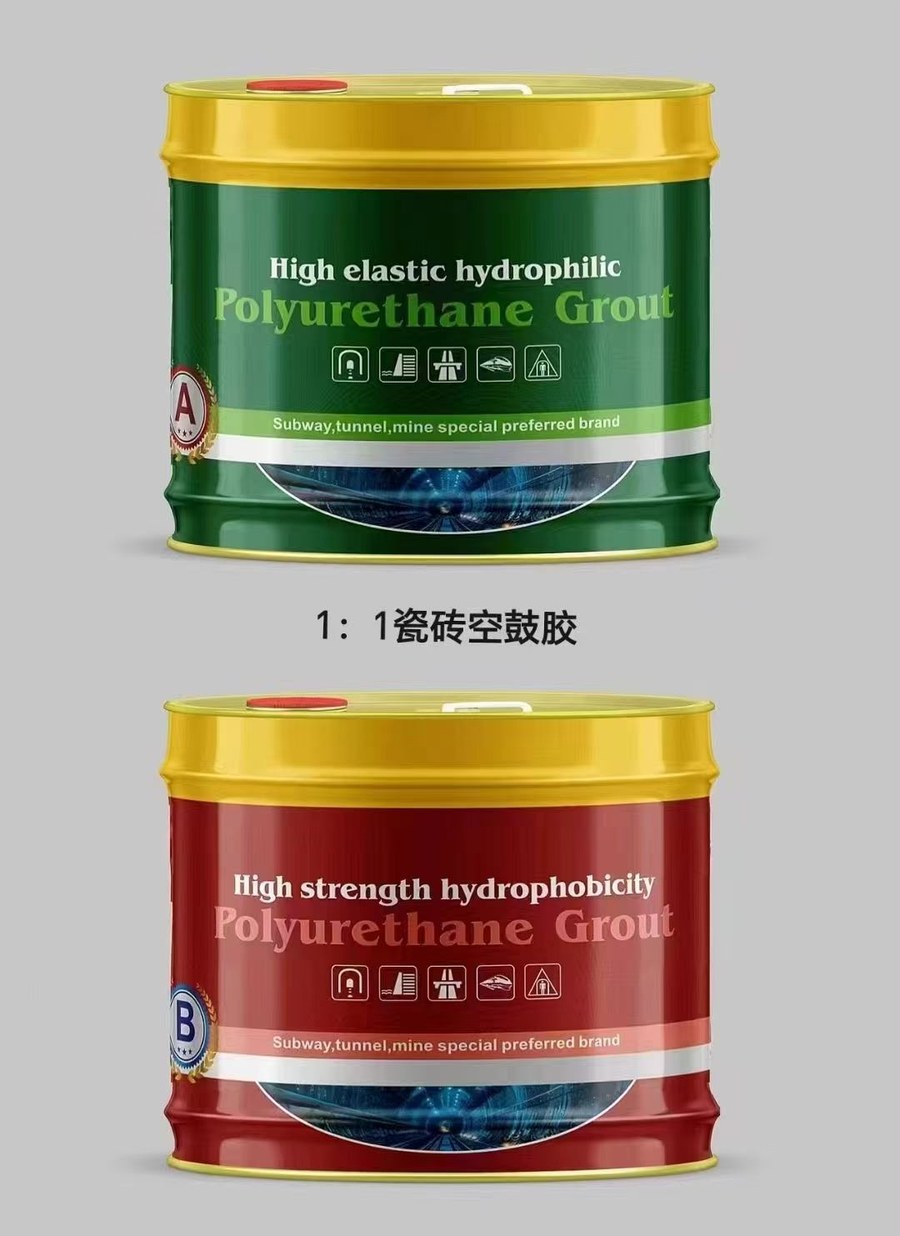
Two-component polyurethane tile adhesive, part A and part B, mixed 1:1

Part A high-elastic, hydrophilic Part B high-strength, hydrophobic 1 : 1 mix

Materials & method

The adhesive goes under the tile, not into the joint

A lot of "tile repair" is just fresh grout or sealant smeared over the joint. The void under the tile is still there, so the tile works loose again within months. What we use is a two-component polyurethane tile adhesive (A and B, mixed 1:1). Small ports are drilled at the grout line and the adhesive is introduced under pressure, so it travels through the void and bonds the tile back to the screed. If the tile itself is intact, nothing needs to be hacked out.

Bonds under the tile

The adhesive fills the void instead of sitting on the surface.

Small ports, close finish

Ports are filled afterwards; the surface looks close to the original.

Low dust

Far less dust and noise than hacking out and re-tiling. No need to move out.

Recorded per job

Hollow areas and the work done are recorded for future reference.

Case

Before, during and after — at a glance

Same spot, same angle: from tented and lifted to flat again. Before: tiles lifting, edges curling, grout opening, hollow underfoot. After: tiles flat, firm and close to their original look. Every visit is recorded, and there is after-service follow-up once the work is done.

Condition tented tiles + hollow bed Where living area / corridor Method no-hacking re-bonding Sequence lift out · clean · re-bond · weight
Before: tiles tented, edges curled and the grout line opened up
BeforeTiles tented, edges curled, grout widened, hollow underfoot
During: debonded tiles lifted out and the screed cleaned before re-bonding
DuringLoose tiles lifted out, bed cleaned, ports set along the joints
After: tiles flat and firmly bonded, with even grout lines
AfterTiles flat and firm again, close to their original appearance

The images above illustrate the method — tented tiles, lift out and clean, re-bond, flat again. Real jobs vary with tile type, the extent of the hollow area and site conditions. Footage from an actual job is in the video below.

What every job includes

  • Inspection record: which tiles are hollow, the extent, tile type and site condition.
  • Before and after photos: same angle, so the result can be compared.
  • Handover check: tap-test on site before we leave.
  • After-service: if the same issue returns, contact us and we will follow up.
Footage from an actual job
FAQ

What homeowners ask us most

The questions below come up on almost every job. If yours is not here, just message us on WhatsApp.

Not sure whether it needs fixing?

Send the photos first. We will tell you whether it reads as hollow, lifting or seepage, and explain the options — we will not start with a price.

Free photo assessment
Do hollow tiles always need to be hacked out and replaced?
In most cases, no. As long as the tile itself is not cracked, it can be re-bonded in place: small ports are drilled at the grout line and structural adhesive is introduced into the void beneath, bonding the tile back to the screed. There is no need to hack out the whole floor or do a major renovation.
How do I get a quotation?
Send photos or a short video to WhatsApp +65 9249 9019 for a preliminary assessment. We then arrange an on-site inspection and confirm the price on site, based on the hollow area and the work involved.
Is there any warranty or after-service?
We follow up after completion. If the same re-bonding issue reappears in the same place, contact us and we will look into it.
How long does it take? Do I need to move my furniture?
It depends on the extent of the hollow area; localised work in a flat is usually done the same day. Because the work is done from the tile surface, there is no major shifting of furniture — though we do suggest moving valuables and fragile items first. The technician will explain the work area before starting.
Will it damage my tiles or leave dust everywhere?
The ports drilled are small and dust is far lower than hacking out and re-tiling, so there is no large-scale damage. We clean the work area on completion. What is left on the tile surface is a small filled port, which can be pointed to match the existing grout.
How soon can I walk on the floor?
Once the adhesive has cured, the floor can be used normally. The exact time depends on the adhesive and the site temperature; the technician will advise on site.
The hollow sound is slight — should I fix it now?
We recommend dealing with it early. Hollow areas spread with temperature changes, moisture and daily foot traffic, and the larger the area, the more likely tiles lift or crack. Early repair is usually cheaper.
How is the price worked out? Is the site visit chargeable?
Pricing depends on the extent of the hollow area, tile type, access and whether waterproofing is needed. Photo assessment over WhatsApp is free. Please WhatsApp us to confirm the arrangement for the on-site inspection and quotation.
Contact

Send a photo, get an assessment first

By appointment only, islandwide across Singapore — HDB flats, condominiums and landed homes. Send photos or a short video on WhatsApp for a free assessment.

How to book

No forms and no personal details needed — just message us on WhatsApp.

  1. 1Take photos or a short video of the affected tiles (record the tapping sound too if you can), with the location and rough area.
  2. 2We give a preliminary assessment and explain what it likely is and what the options are.
  3. 3We arrange a time for an on-site inspection, tap-test and mark out the hollow tiles.
  4. 4You get a price on site; work is scheduled only after you confirm.
Chat on WhatsApp

Opens WhatsApp with a message pre-filled — edit it as you like.

Coverage · islandwide Singapore

  • Ang Mo Kio
  • Bedok
  • Bishan
  • Bukit Batok
  • Bukit Merah
  • Bukit Panjang
  • Choa Chu Kang
  • Clementi
  • Hougang
  • Jurong East
  • Jurong West
  • Kallang / Whampoa
  • Pasir Ris
  • Punggol
  • Queenstown
  • Sembawang
  • Sengkang
  • Serangoon
  • Tampines
  • Toa Payoh
  • Woodlands
  • Yishun
  • Condos & landed homes
WhatsApp Call